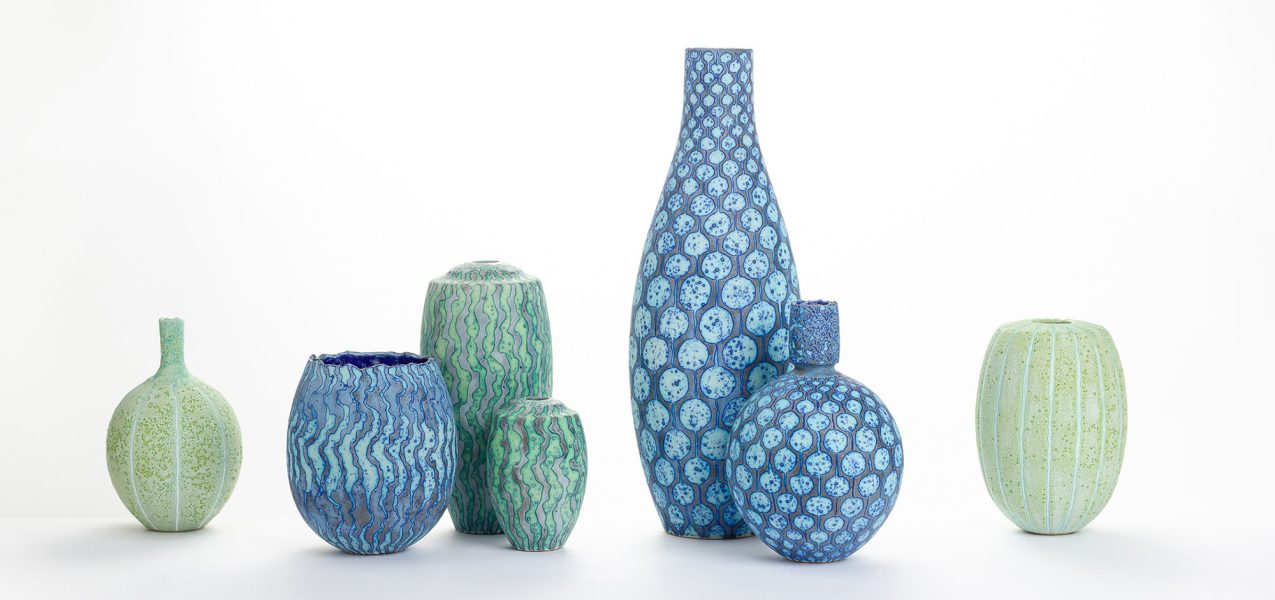
Contemporary Ceramics gallery and shop exhibits the greatest collectable names in British ceramics along with the most up and coming artists of today. Our distinguished makers are all carefully selected members of the Craft Potters Association.
All of our makers are members of the Craft Potters Association and each of them have a story to tell.
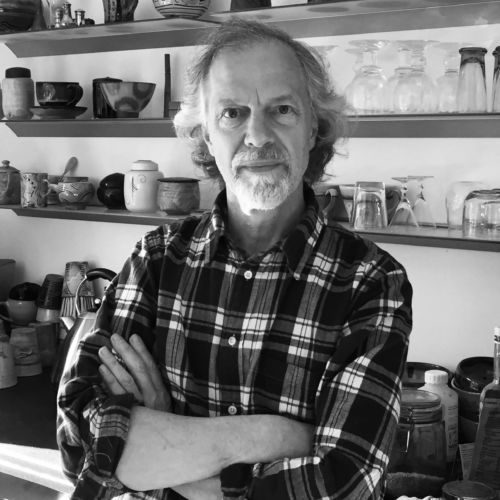
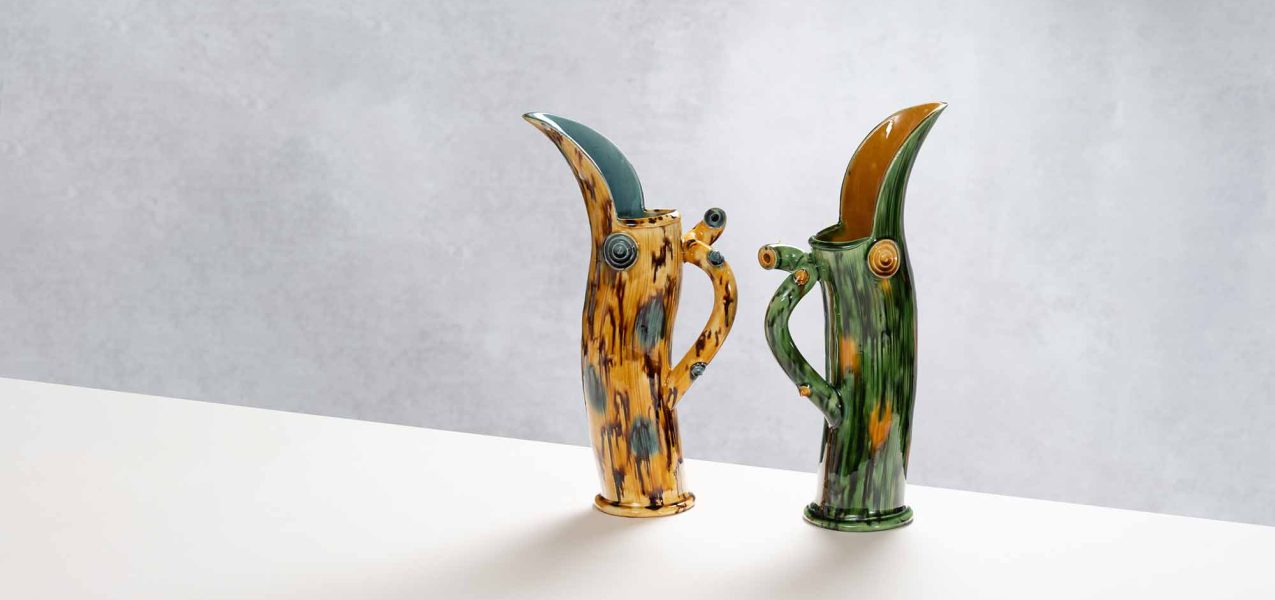
Philip Wood has been making pots for over 40 years. Specialising in earthernware, he creates handmade pieces to enhance the lives of those around them.
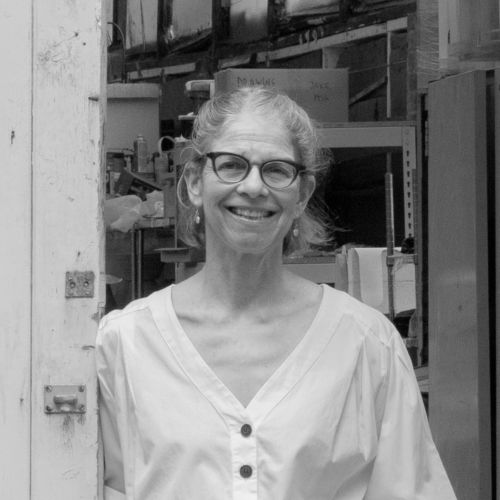
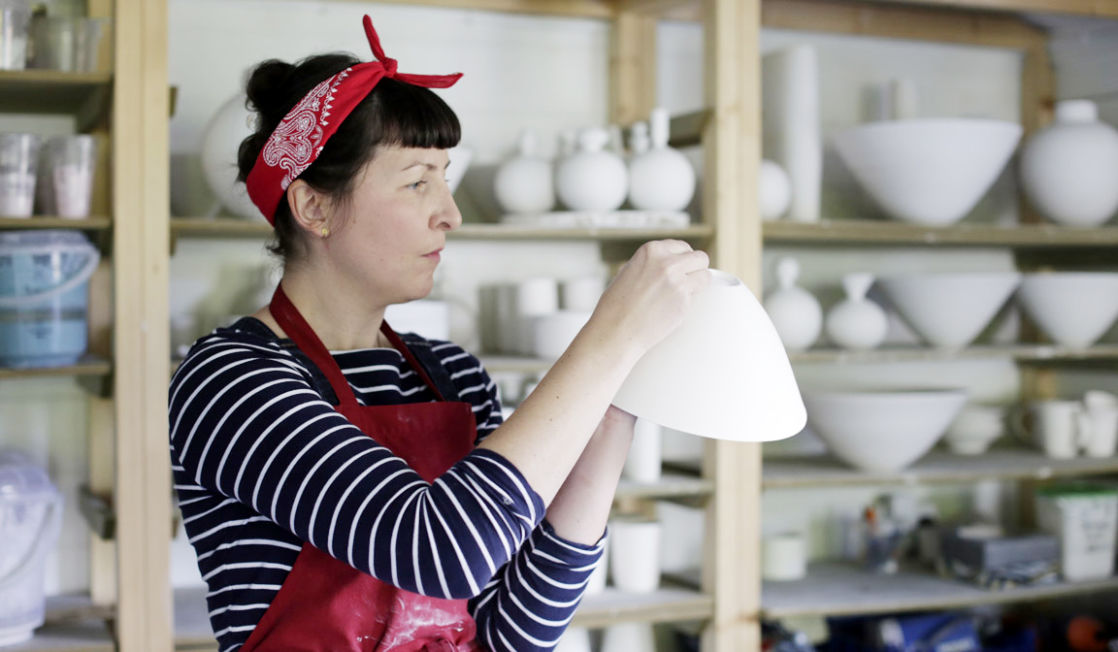
Jane completed a foundation course at Chelsea School of Art, before obtaining a Fine Art degree at Winchester School of Art. She works in paper porcelain, a sensitive medium. The malleable, translucent yet robust qualities of the combination of clay and paper enables her to construct and hand build. Rolling the clay eggshell thin, tearing and pushing it to its limits to the final firing, Jane is entirely absorbed by the process of making.
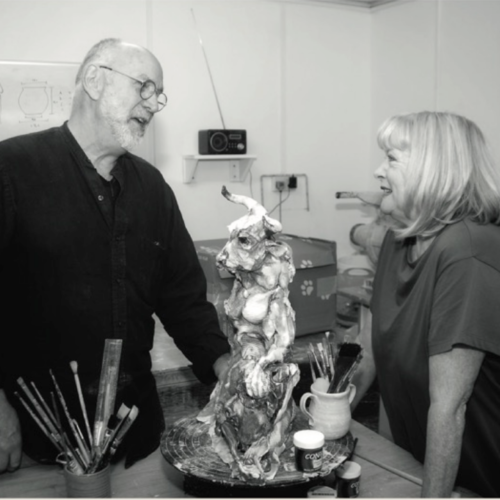
Gaynor Ostinelli and Paul Priest, or Ostinelli & Priest, are well known for their animal sculptures which draw on both domestic and wildlife. Exhibited around the world, their work is represented in numerous galleries, public and private collections in the UK and overseas. The animals they sculpt varies as their subjects, and the demand for the work, expands.

Emma’s ceramics practice is built on notions of what is known as Emotionally Durable design. She uses the making language of ceramics and a design sensibility to make work which is contemporary and relevant over time.
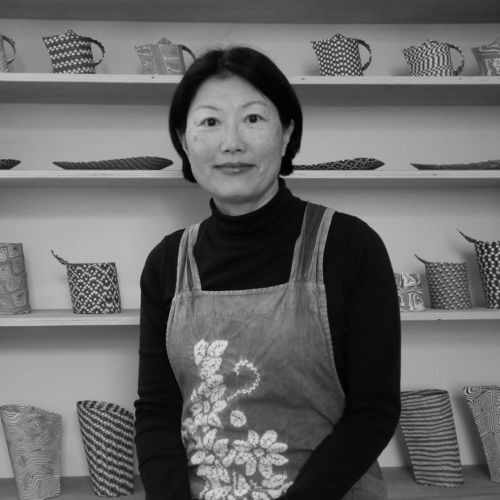
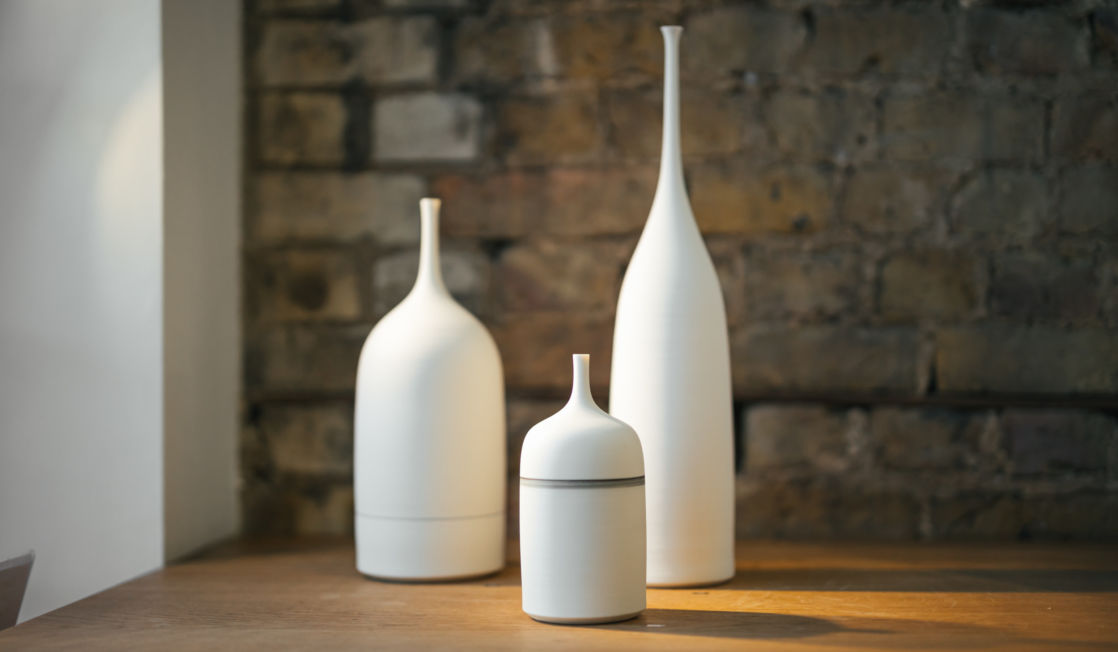
Mandy Cheng’s focus is on porcelain and to make pots that are unique ergonomic forms. Her works are designed to be graceful and minimalist, to conjure a feeling of lightness and a sense of movement.
The signature mesmerizing patterns mimic the vivid diversity of nature. Using the nerikomi method, the patterns are meticulously prepared by repeated cutting and layering of plain and coloured porcelain sheets.
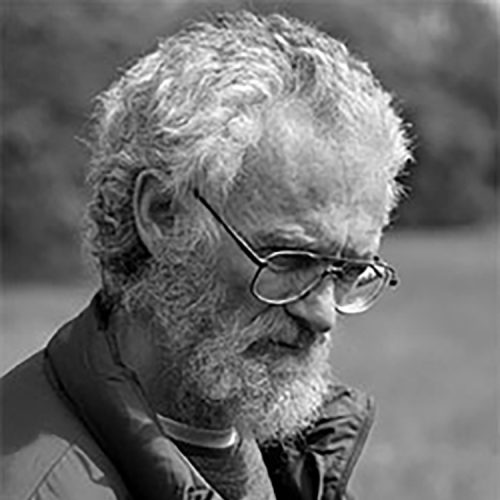
Charles was born in New York City in 1939. After graduating from Union University in 1962 with a degree in English Literature, Charles spent the next three years teaching at secondary level. From 1965 to 1971 he worked for a publishing company, dividing his time between the USA and Africa. By 1972 he was juggling a variety of commitments: teaching, travelling, writing and theatre work, mostly in Kenya.