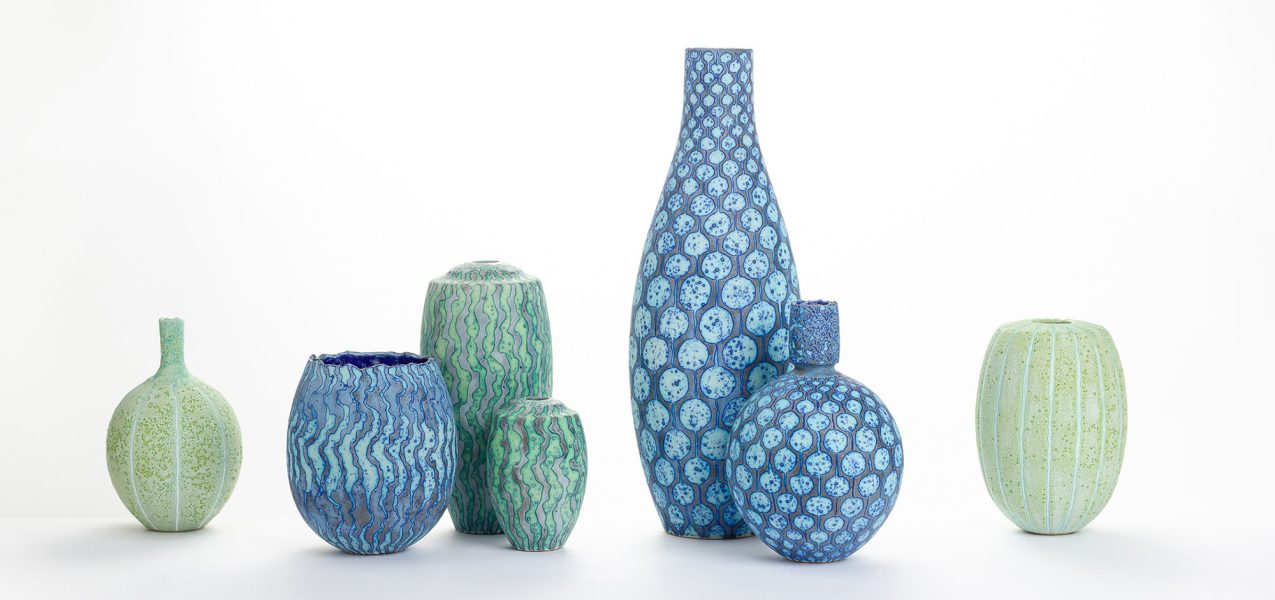
Contemporary Ceramics gallery and shop exhibits the greatest collectable names in British ceramics along with the most up and coming artists of today. Our distinguished makers are all carefully selected members of the Craft Potters Association.
All of our makers are members of the Craft Potters Association and each of them have a story to tell.
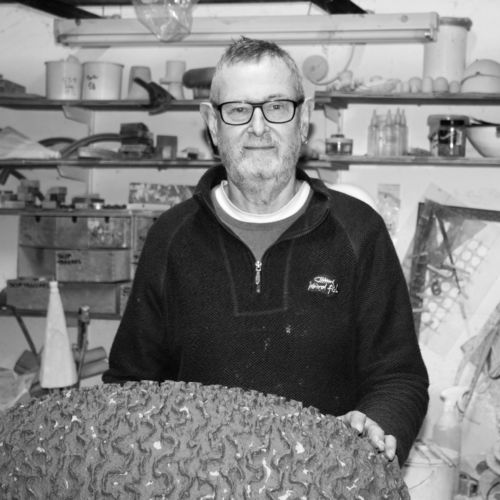
Peter Beard’s work has been exhibited around the world and is represented in numerous museums, public collections and private collections in the UK and overseas. The award winning artist has a contemplative approach to making and spends much of his time sketching out ideas for new pieces.
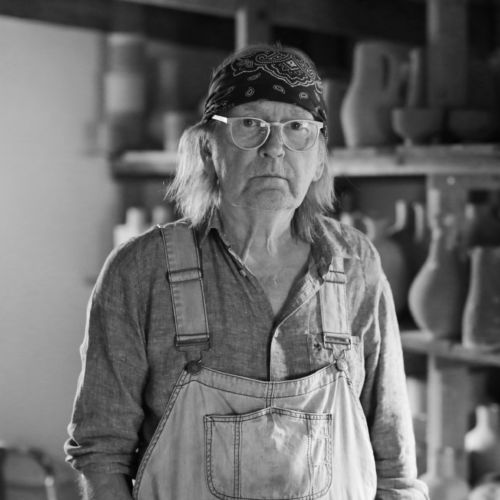
Jim Malone has been making pots for over forty years, gradually establishing an international reputation. Having exhibited widely over many years, both in Britain and abroad, Jim's work is represented in numerous private and public collections, including York Museum and Art Gallery and the Victoria and Albert Museum, London.
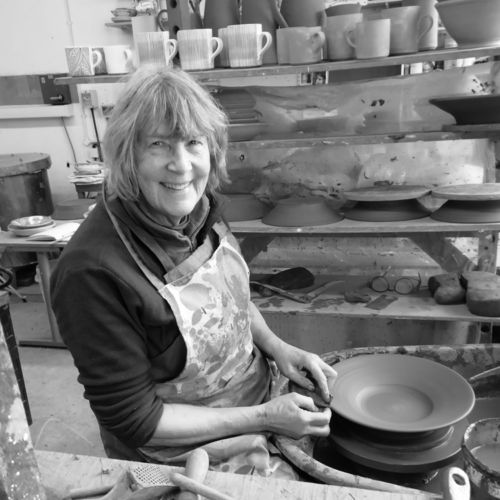
Daphne Carnegy makes a range of thrown, and sometimes hand-built, painted tin-glazed earthenware which combine an awareness of historical precedents with her passion for plants.
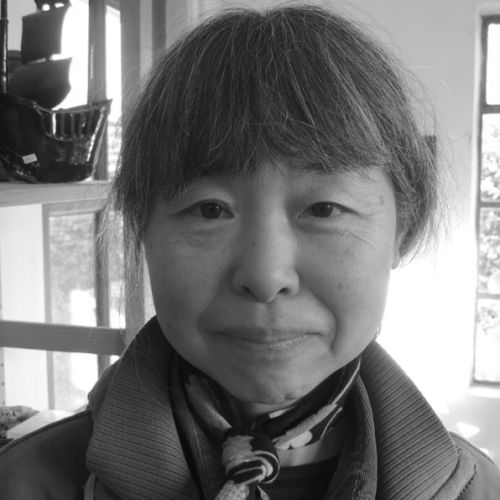
Hiro was born in Fukushima, Japan. Due to her father’s work commitments, Hiro had a peripatetic childhood. The constants in her life were her grandmother and being close to nature. However, she was dismayed later on to find that the traditional old buildings from her childhood walks with her grandmother had been demolished. Driven by sadness and nostalgia at the loss of her childhood environment/world in Japan, Hiro creates a link between the present and the past from her memories and imagination.
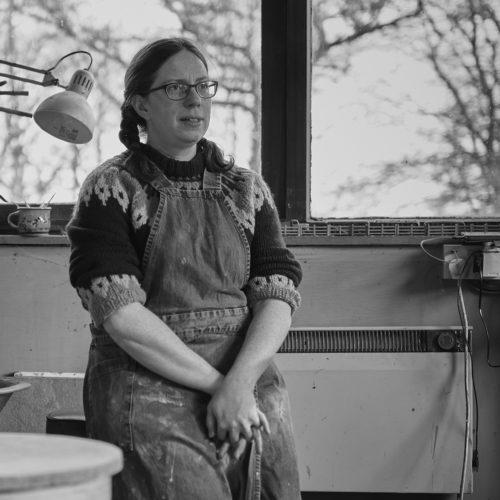
Hannah’s pots are inspired by traditional British earthenwares and her decoration is derived from the world around her. Often the floral abundance in her garden and the surrounding wilds, both cultivated and untamed, are referenced in her pots. Sometimes there are political statements veiled in imagery of folklore and symbolism.
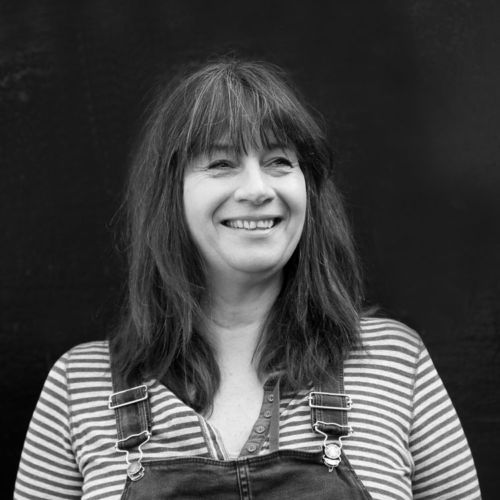
Anne Butler trained in Ceramics in the University of Ulster and the University of Wales in Cardiff and now works from her studio in Northern Ireland. The Eclipse vessels are inspired by the light and shadows cast in the urban environment.