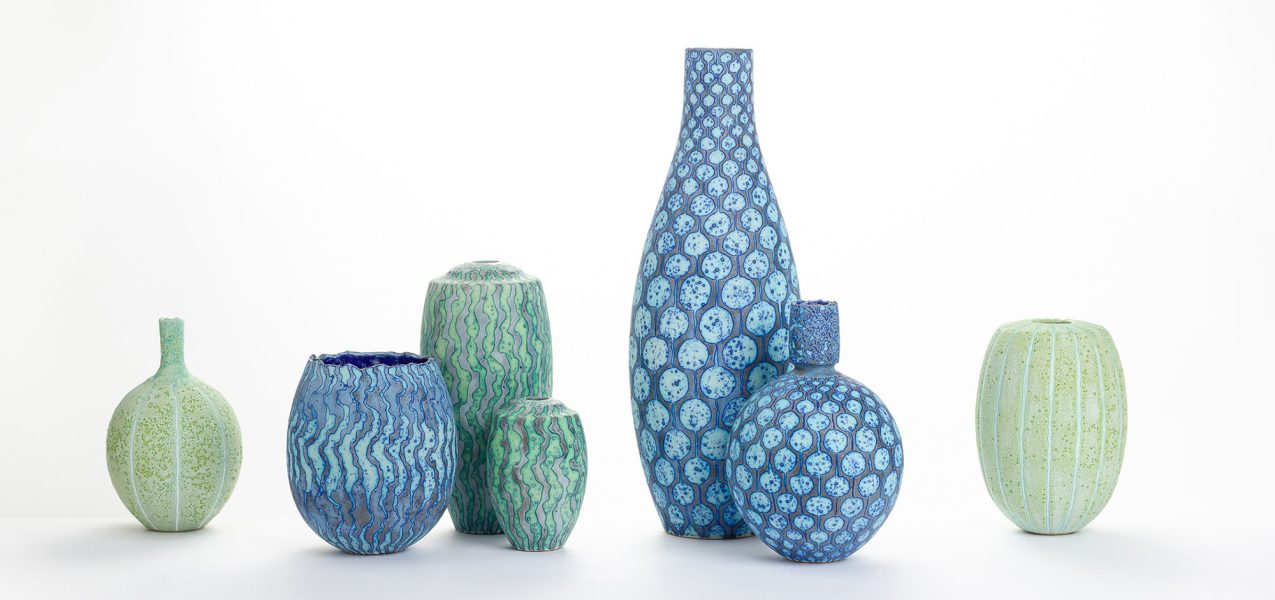
Contemporary Ceramics gallery and shop exhibits the greatest collectable names in British ceramics along with the most up and coming artists of today. Our distinguished makers are all carefully selected members of the Craft Potters Association.
All of our makers are members of the Craft Potters Association and each of them have a story to tell.
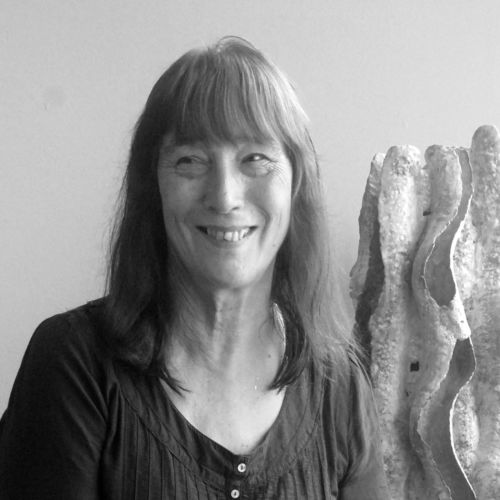
When Bev was at art school in the late sixties, her final thesis focused on the relationship between natural forms and clay. However, it was only since 1978 when she moved to Wales, that she developed her work to relate directly to where she lives.
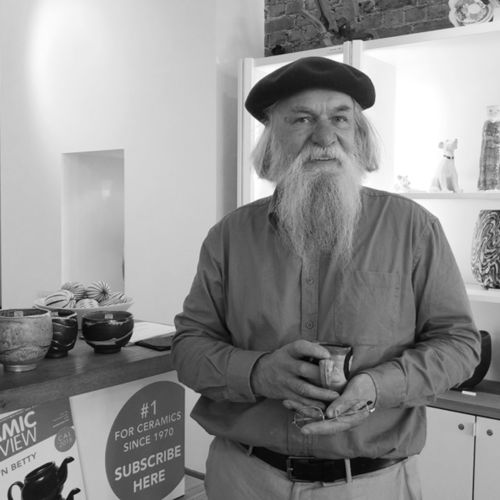
John left art school in 1970 and dug trenches for gas pipes for a living. Later, through his college friend’s brother (who was a potter) John worked for David Frith in North Wales. He found the discipline hard, but it has stood him in good stead ever since.
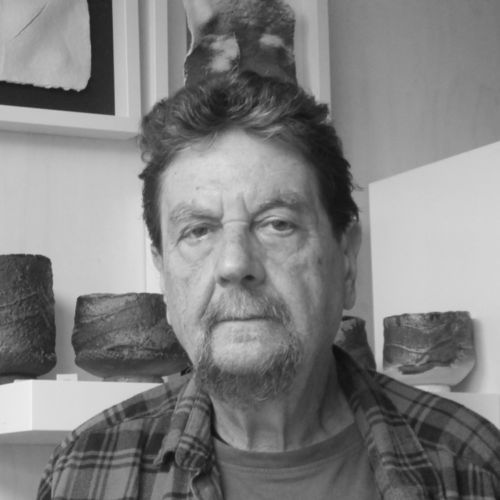
Marcio Mattos became fascinated with clay after seeing an exhibition of tea ceremony bowls at the V&A museum many years ago. He went on to train at Richmond College and later for a degree at Goldsmiths College. He presently creates one-off sculptural vessels and plaques in black stoneware and porcelain paper clay with dry-glazed textural surfaces and brushed decoration.
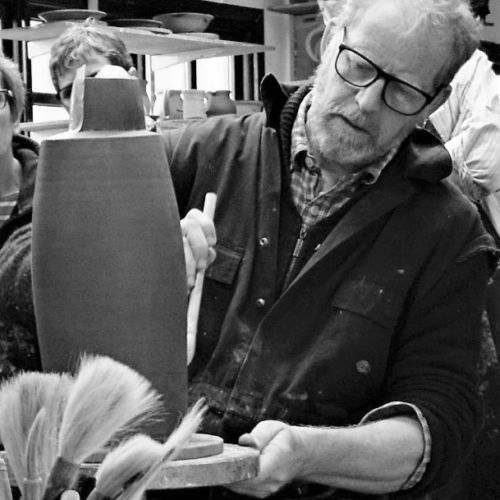
Richard Phethean is a long established professional potter whose work has been exhibited and collected widely across the UK and Europe. He is a Fellow of, and recently retired as Chair of the Craft Potters Association, a member of the Cornwall Crafts Association and of the Penwith Society of Artists.

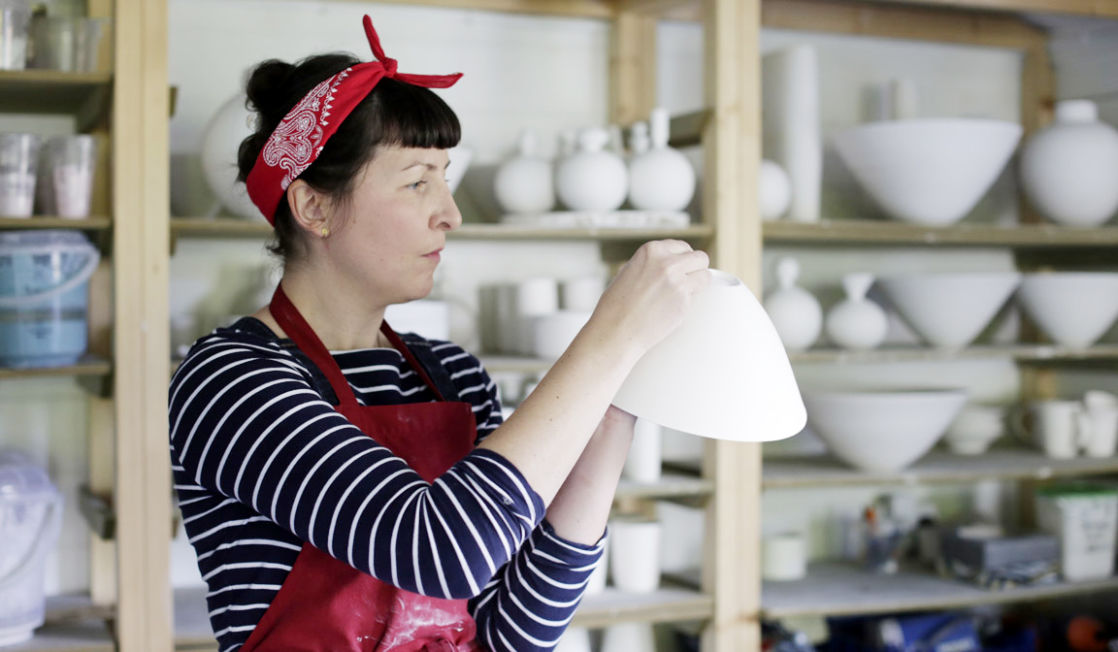
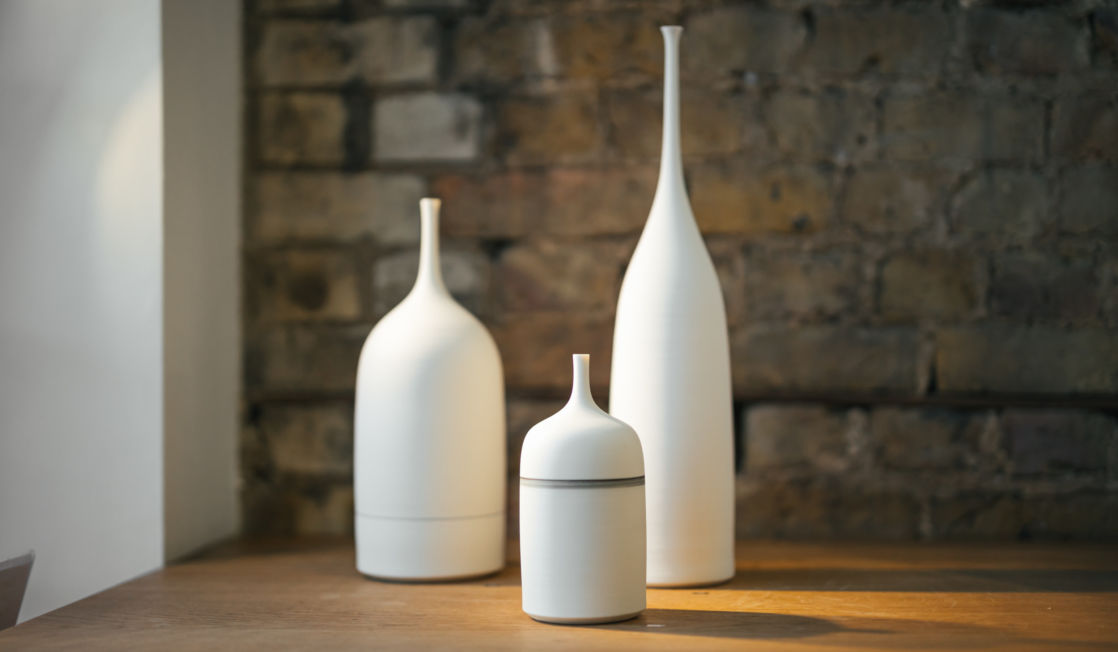
Anna is known for her finely wheel-thrown porcelain vases and bowls and her meticulous attention to detail. Having trained at Camberwell School of Art and the Royal College of Art, she spent time teaching in the US before returning to London. She established her ceramics workshop almost 30 years ago, which is now based in South London at her home in Sydenham.
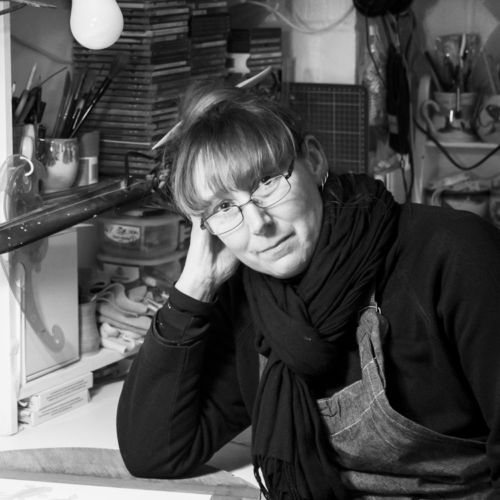
Tiffany Scull works from her Dorset studio based on the beautiful Isle of Portland creating ceramic forms decorated by hand with detailed sgraffito drawings of many different plants and animals from around the world. She started her journey and development of using sgraffito 20 years ago and has been a professional ceramicist for over 18 years. Over time she has developed a very distinctive and unique way of painting with clay slips, carving and using sgraffito to draw her designs onto each form.