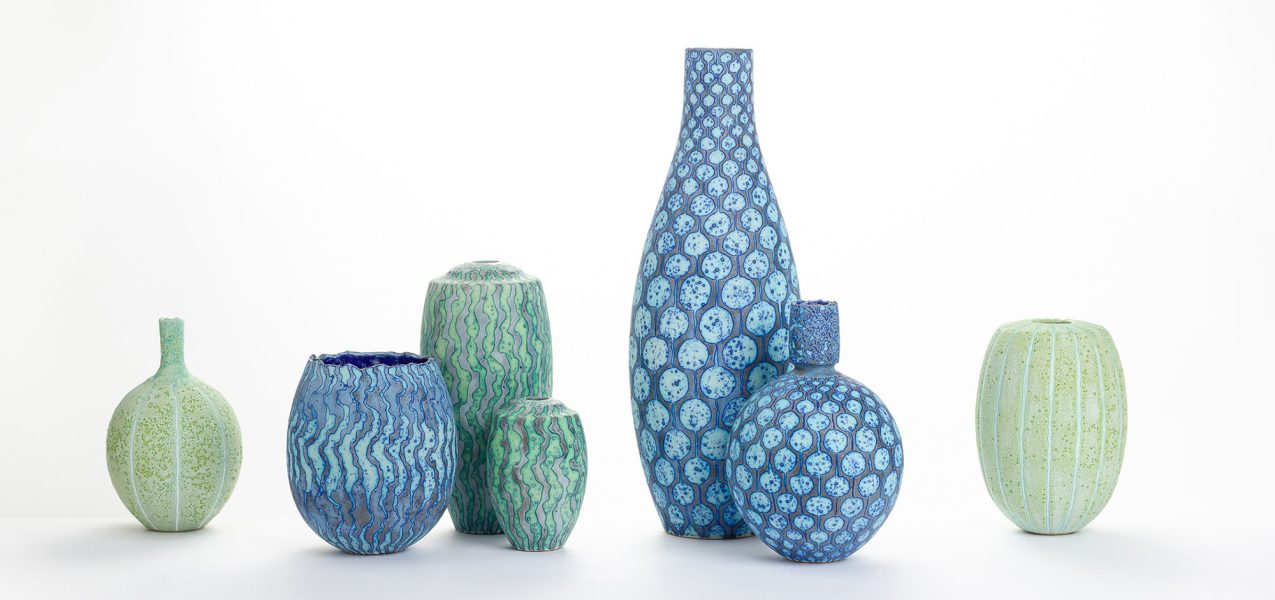
Contemporary Ceramics gallery and shop exhibits the greatest collectable names in British ceramics along with the most up and coming artists of today. Our distinguished makers are all carefully selected members of the Craft Potters Association.
All of our makers are members of the Craft Potters Association and each of them have a story to tell.
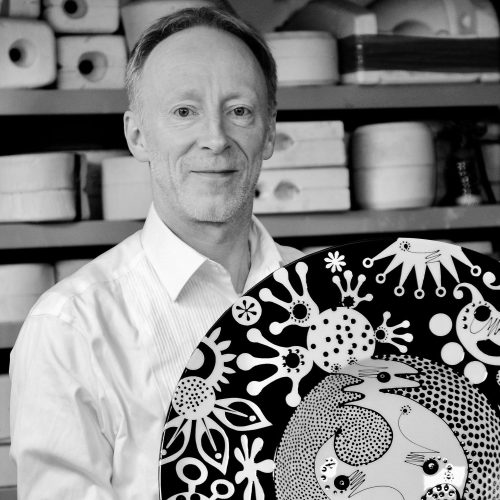
Mark makes black and white domestic slipware using a combination of traditional craft and modern industrial ceramic techniques, in a contemporary take on Staffordshire slipware. Currently, he is developing his tableware and large functional work into sculptural one-off pieces.
These include slab built, stacked designs for sculptures which depend on gravity to interlock. He is also experimenting with platinum lustre transfers to exploit the differing reflective qualities of glazed and lustred surfaces.
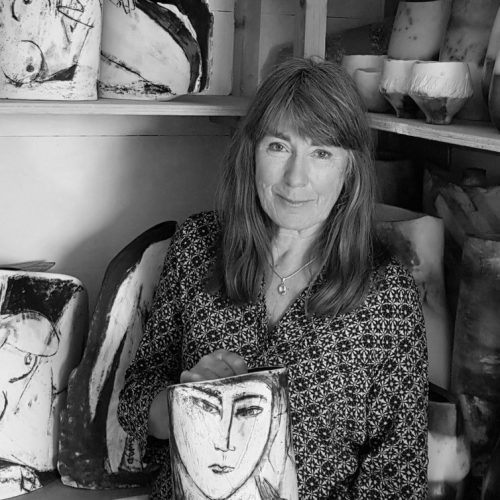
Jane was born to a family of artists, creatives and potters. Growing up in the Suffolk countryside, her upbringing was unconventional. With little formal education, Jane left school early and entered a life of art, in keeping with family tradition.

Claudia trained as a painter but transferred to pots because she found the turning surface sympathetic to an unfolding visual narrative. Stories are her raw material - both her own and other people's, also fictional stories, songs, and poetry. The human, cultural, and historic associations of pottery connect particularly well to the work she does interpreting women’s histories and contemporary lives. The nature of pots is that they can break, and so can be mended. This she finds to be a compelling metaphor for both trauma and survival - the mending has an optimistic quality.
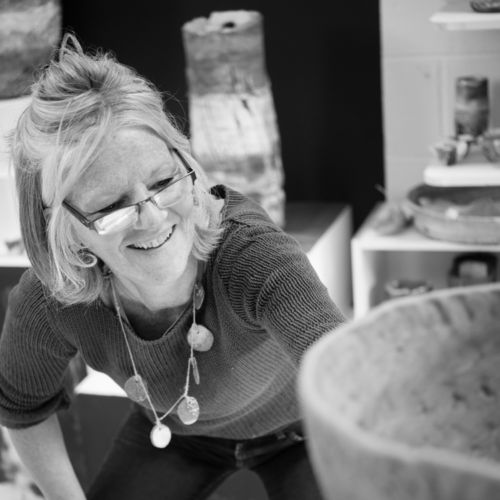
Rachel Wood’s ceramics are noted for their expressive, visceral, yet calm and considered qualities. Animated and complex surfaces, swathed with layer upon layer of slip and glaze, are carefully nurtured to life and so compel the viewer to their mysterious and hidden depths.
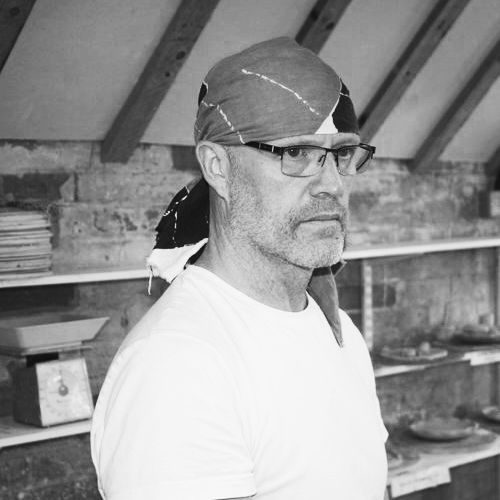
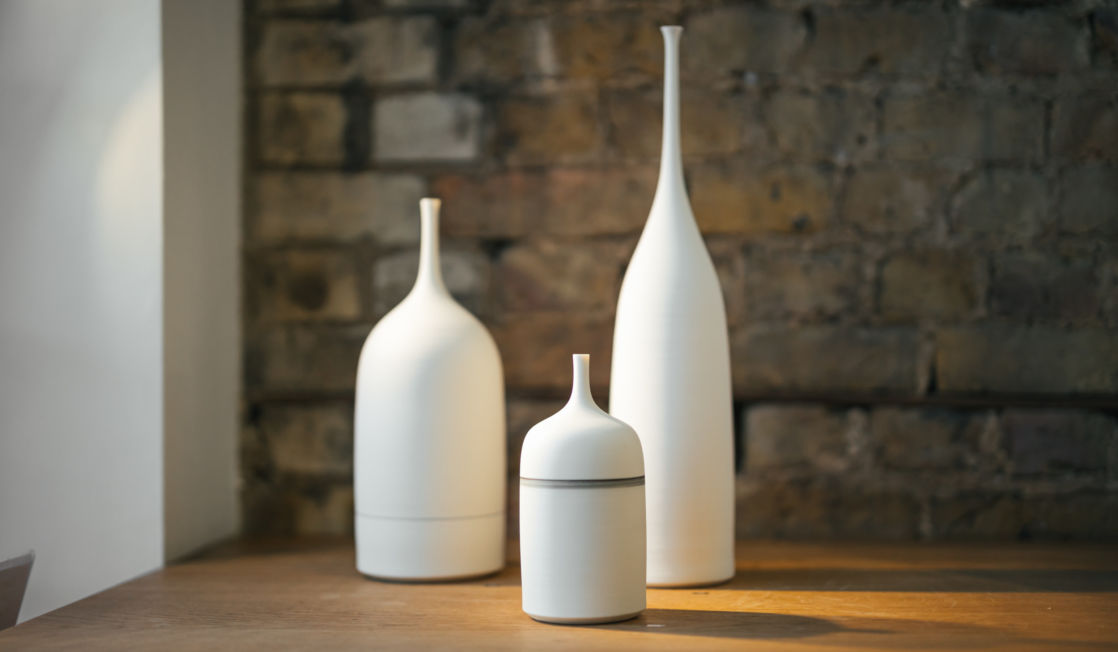
Ashley Howard creates porcelain vessels informed by Far-Eastern and homespun pottery traditions. His pieces draw from his interest in ritual vessels, the spaces they occupy and the ceremonies that surround them.
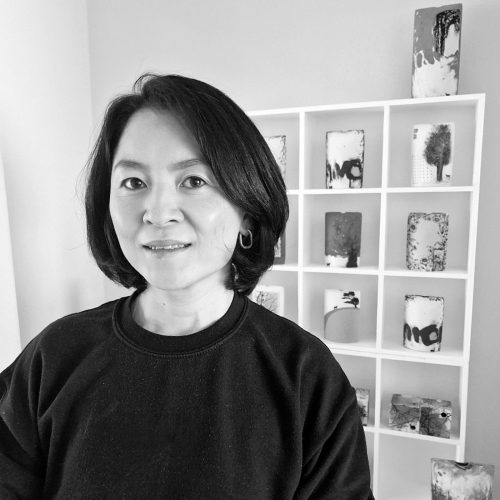
Jaeeun Kim is a South Korean ceramic artist working in London. She began her artistic career in ceramics and art therapy. After earning a Masters degree in Ceramic Art from Kyunghee University in South Korea, she worked as a ceramic artist, university lecturer, and art therapist for disabled children.