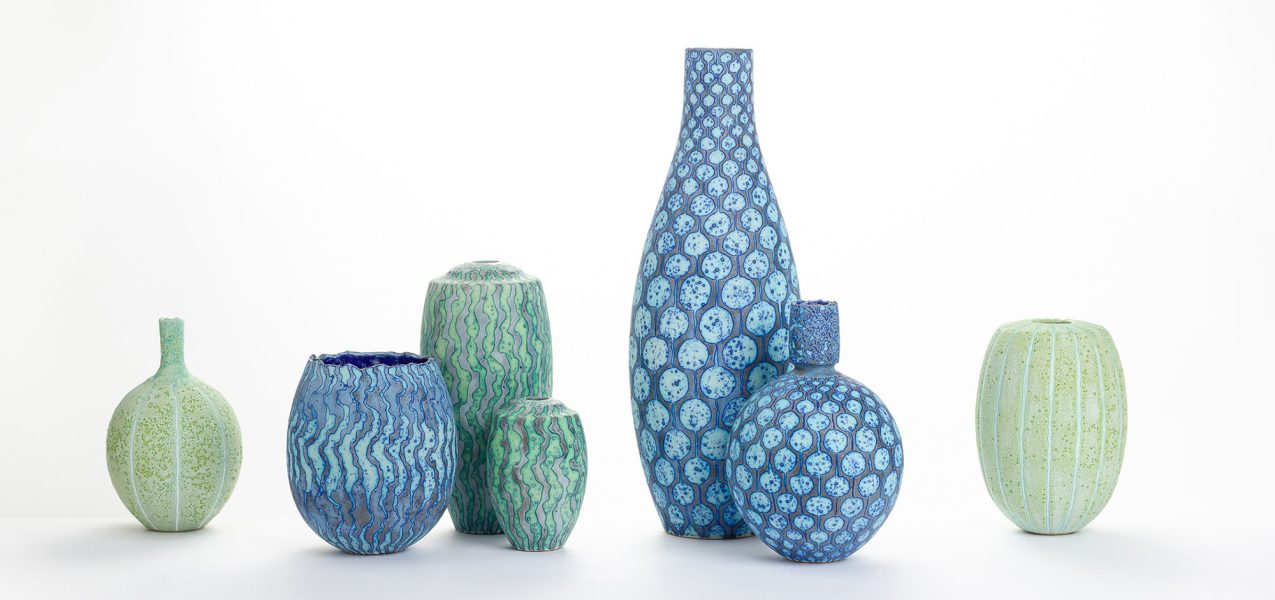
Contemporary Ceramics gallery and shop exhibits the greatest collectable names in British ceramics along with the most up and coming artists of today. Our distinguished makers are all carefully selected members of the Craft Potters Association.
All of our makers are members of the Craft Potters Association and each of them have a story to tell.
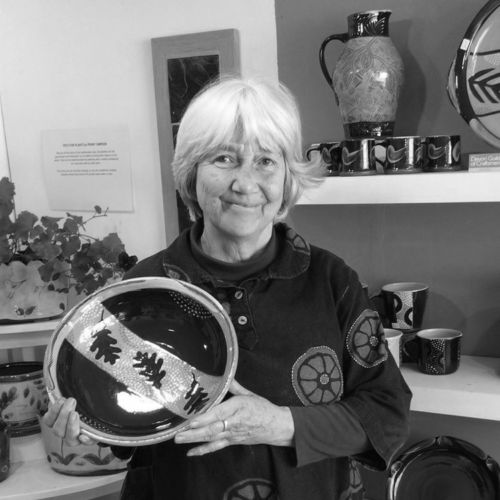
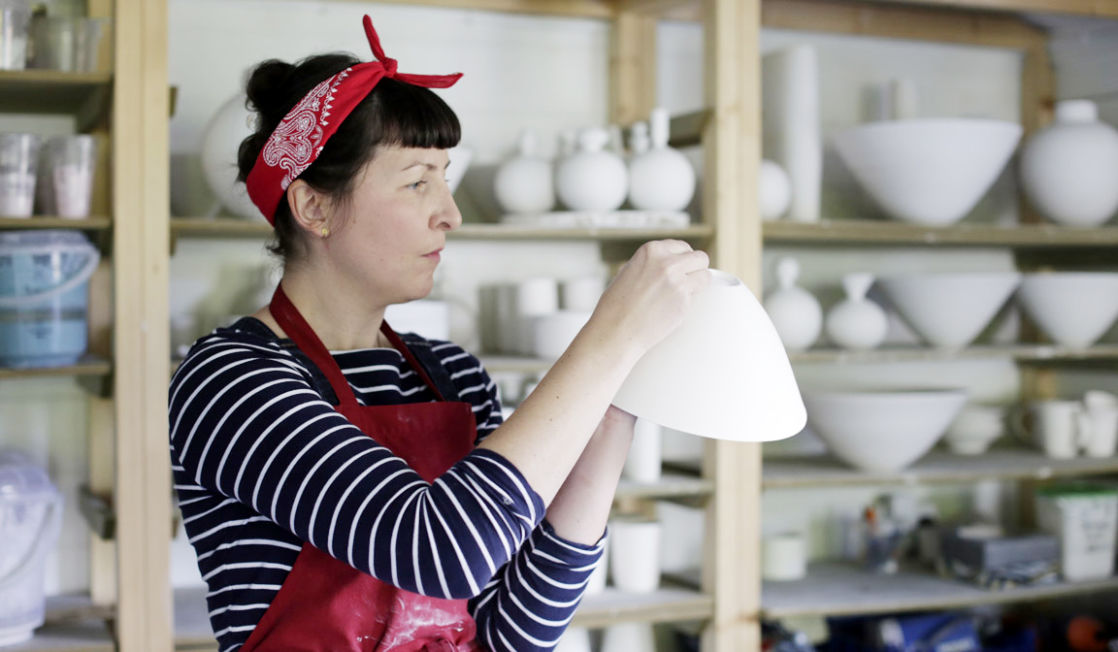
From an early age Penny enjoyed playing with clay at home as her mother had a small pottery studio. However, it was not until she lived in Japan in her twenties that she became more seriously interested in making pots.
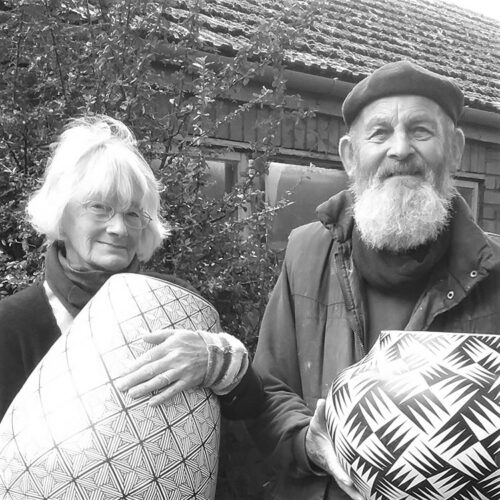
Ant first encountered pottery in primary school. His teacher, Mr Wright introduced him to clay and planted the beginnings of a lifelong passion. He started out as a science teacher but gave up teaching in his late twenties after years of evening classes and moved to Lincolnshire to set up his own pottery workshop.
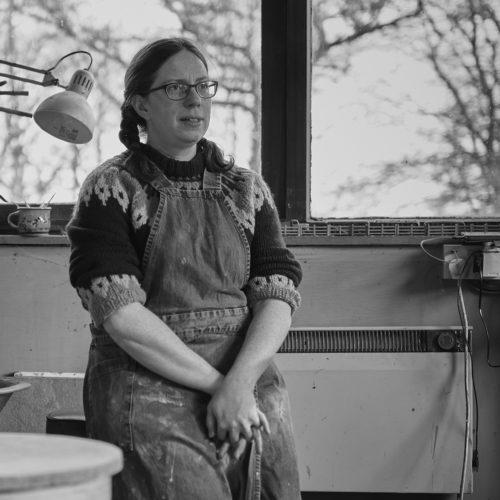
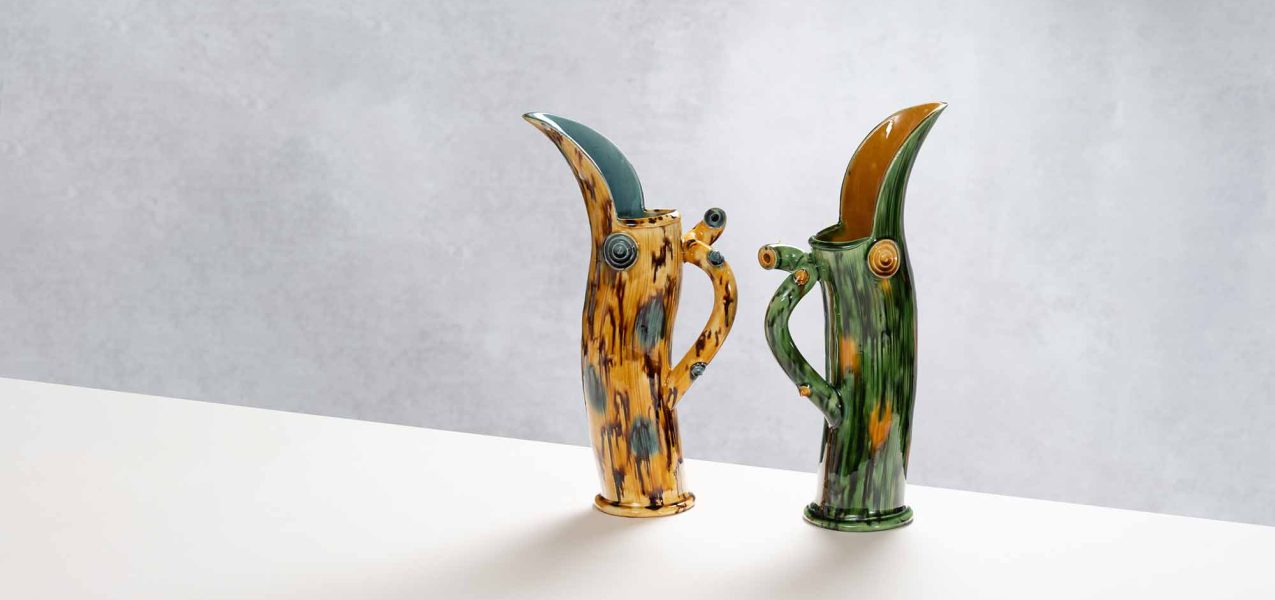
Hannah’s pots are inspired by traditional British earthenwares and her decoration is derived from the world around her. Often the floral abundance in her garden and the surrounding wilds, both cultivated and untamed, are referenced in her pots. Sometimes there are political statements veiled in imagery of folklore and symbolism.
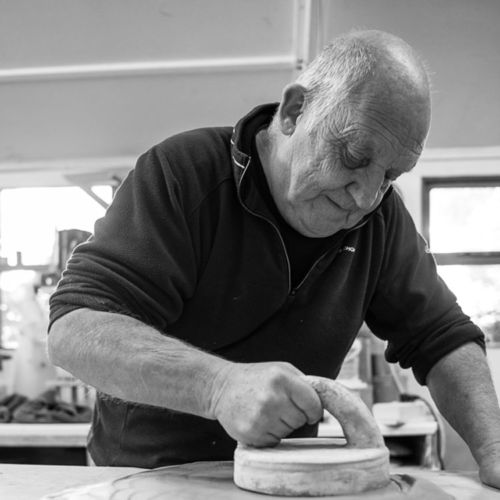
John Higgins has a degree in 3D Design / Ceramics from the College of Art Wolverhampton, and a Post Graduate Certificate in Art Education, from Sussex University. Throughout his career in education, he has continued to make his own ceramics. He has exhibited widely both in the UK and internationally.
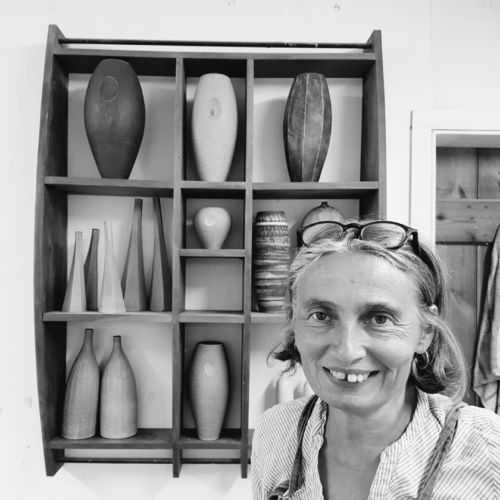
Emily mostly works with a red stoneware clay that fires to a rich dark brown, with iron speckles showing through the glaze. She occasionally works with porcelain as the white body is ground for wonderful bright glazes. Most of the glazes contain barium and copper, a combination which give rise to interesting matt green glazes in an electric kiln.
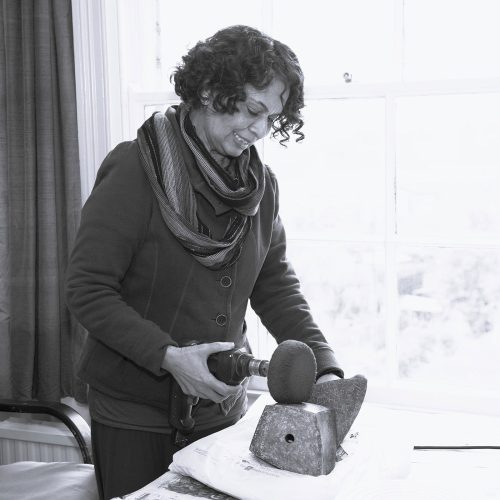
Loretta began her practice in ceramics via a career in graphic arts, textile design and sculpture. During pregnancy, she found working on sculptural forms too heavy and moved across to ceramics. That was the start of her fascination with the medium as it allows her the freedom to explore her enduring passions of form, colour, texture and mark-making.